Small holes: always a repair
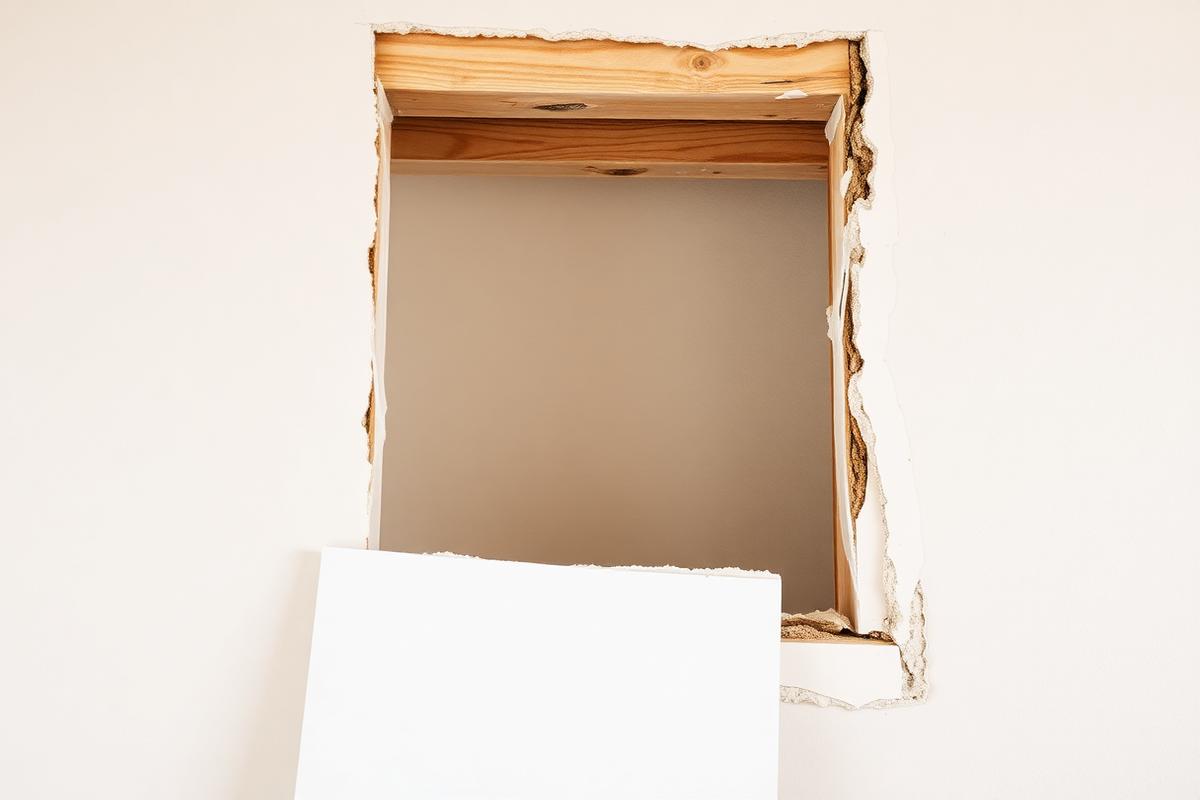
Nail holes, anchor holes, and doorknob damage are patch work. A doorknob hole gets a backed patch rather than a mesh sticker, because a stick-on patch over a hole in a high-traffic wall will show a ring within a year.
Large holes: repair, but cut it square
Anything bigger than a fist gets cut back to a clean rectangle, backed, and filled with new board. That is still a repair, not a replacement, and it's usually cheaper than most people expect.
The exception is a wall with several large holes close together. At some point replacing the full sheet costs less than patching around it and finishes better.
Water damage: depends on the reading
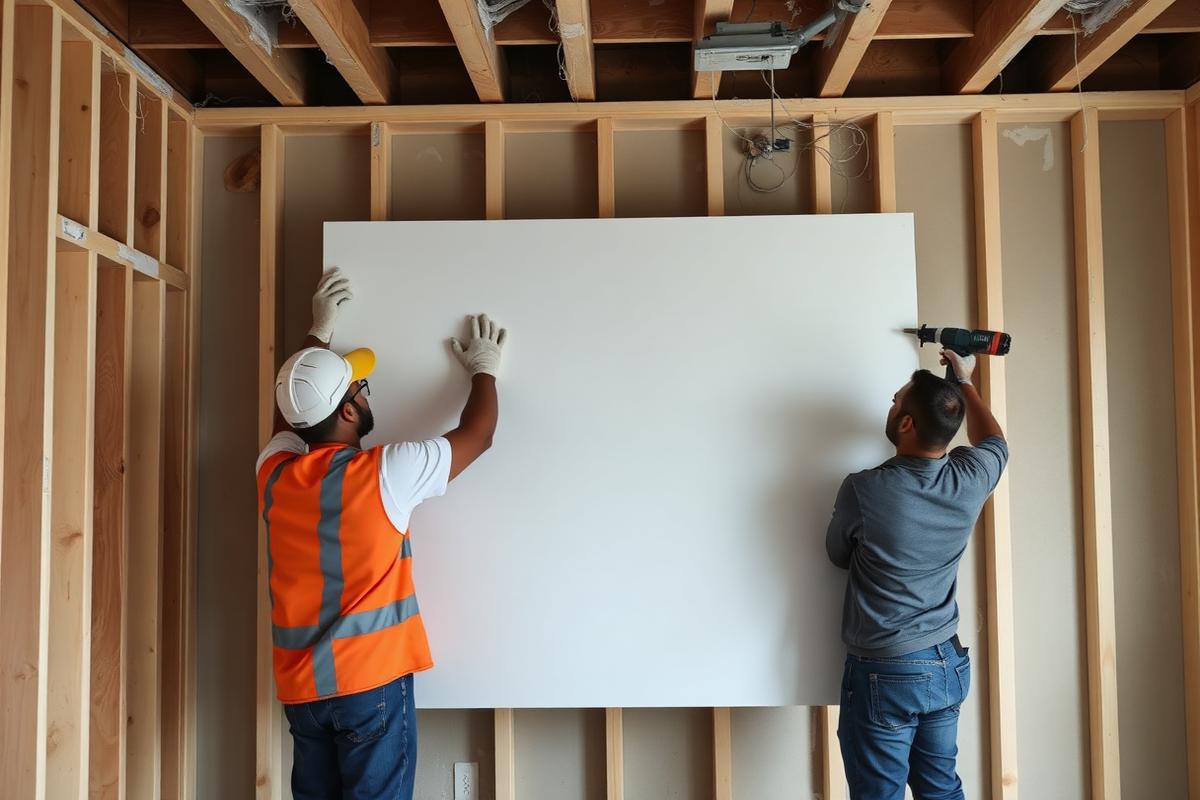
Board that stayed dry enough and firm can be repaired at the edges. Board that sat wet, or got hit by anything other than clean water, gets replaced along with the insulation behind it.
This is a measurement, not a judgment call. See our guide on whether water-damaged drywall can be saved.
Fire and smoke: usually replacement
Heat-damaged gypsum loses strength even where it isn't charred, and smoke odor lives in the paper facing. Sealing and painting over it rarely holds. In fire work the drywall generally comes out.
Structural issues: fix the cause first
If the damage traces back to framing movement, a failed header, or foundation settlement, replacing the board without addressing the cause just resets the clock. We'll say so, and we'd rather come back after it's corrected than do the work twice.
Related services