
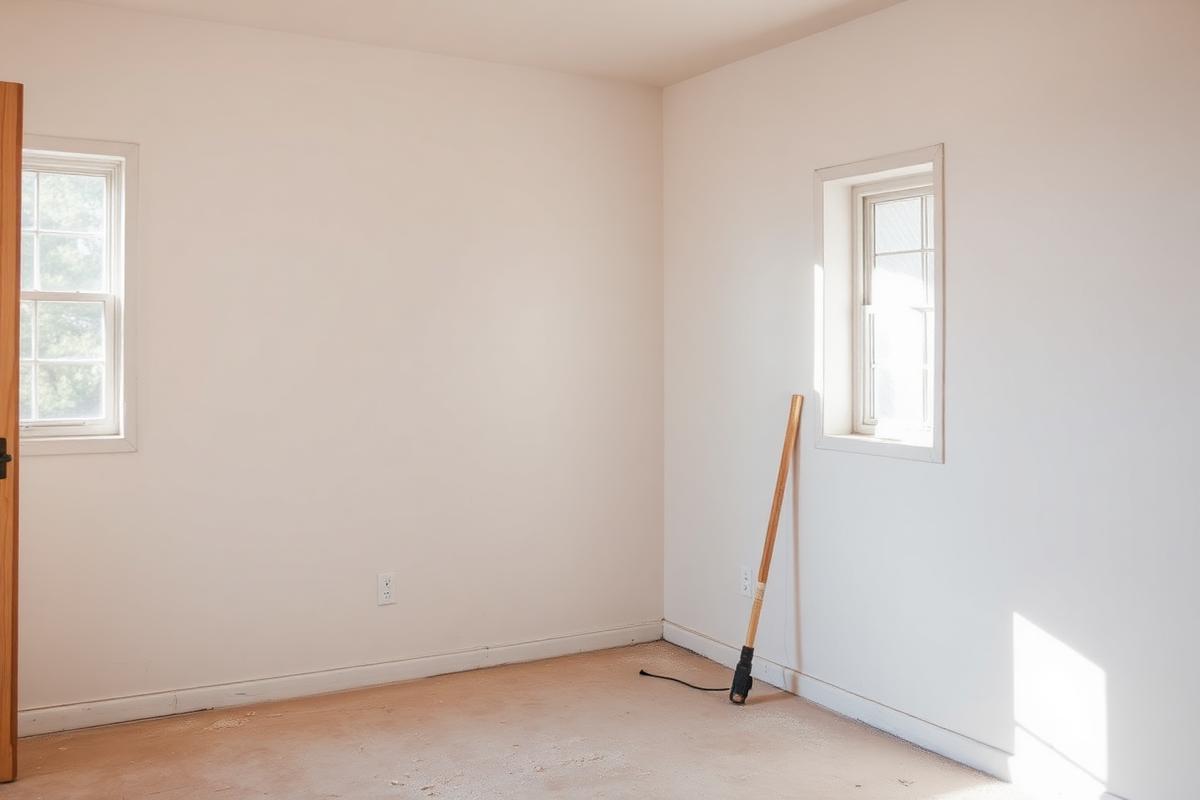
Why finish levels exist
The finish level system comes from a joint standard published by the drywall and painting industries. It exists so a builder, a finisher, and a painter can agree on what 'finished' means without arguing on site.
The level does not describe how skilled the finisher is. It describes how much material goes on the wall and how much of the surface gets covered.
Level 0 through 2: not final surfaces
Level 0 is board hung with nothing on it, used when the final decoration isn't decided yet. Level 1 is tape embedded in joint compound, common above ceilings in plenums where nobody sees it. Level 2 adds a thin coat over tape and fasteners; you'll see it in garages, warehouses, and behind tile.
If someone hands you a Level 2 and calls it done in a living space, that's a problem.
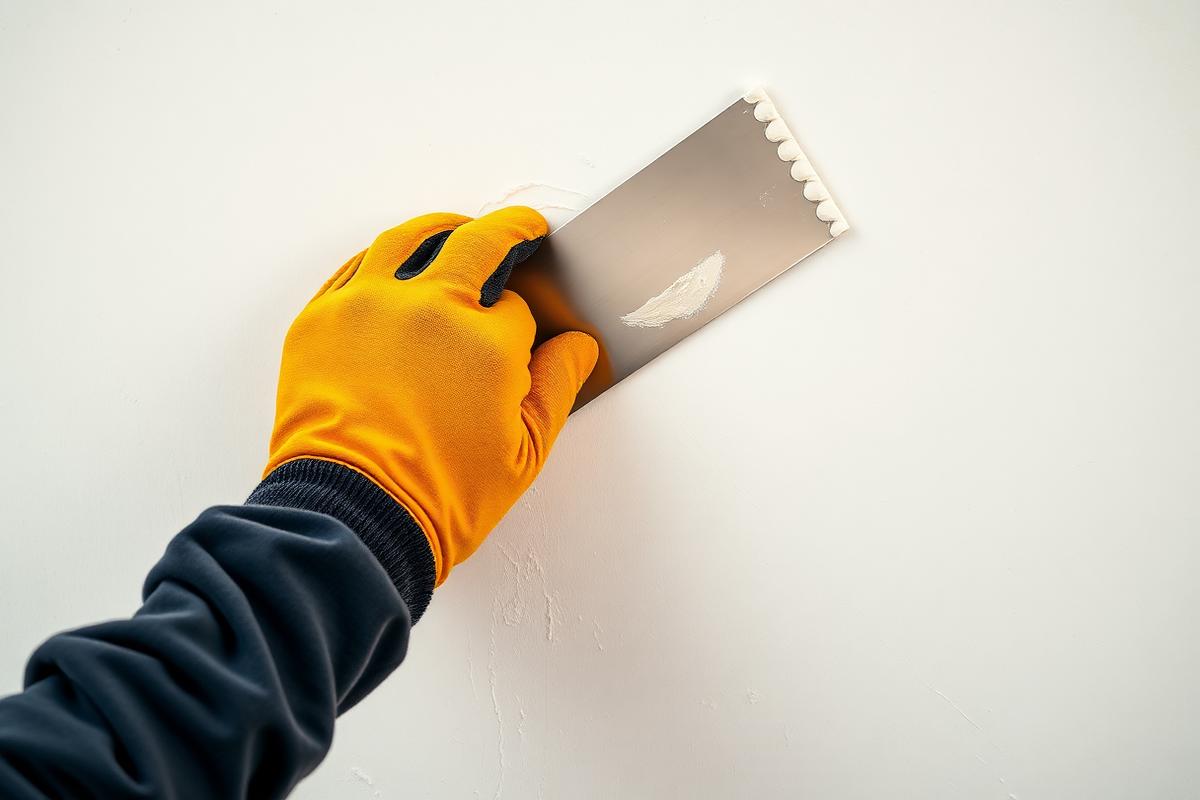
Level 3: texture is coming
Level 3 is two coats over tape and fasteners. It's specified when a heavy texture is going over the top, knockdown or a sprayed finish that will hide the joints anyway.
Level 3 is not appropriate under flat paint or under any sheen.
Level 4: the residential default
Level 4 is three coats over joints and fasteners, sanded smooth. This is the standard finish for the vast majority of homes, and it's what you should expect under flat paint or light texture.
A good Level 4 in normal lighting is invisible. A rushed Level 4 shows joint bands the day the painter leaves.
Level 5: when flat isn't flat enough
Level 5 adds a skim coat across the entire surface. The point is uniformity: the joints and the board face absorb primer identically, so nothing photographs through the paint.
You want Level 5 when the wall gets raking light from tall windows, when you're using anything glossier than eggshell, or on a ceiling under can lights. Everywhere else it's an upgrade you may not notice.
Related services